
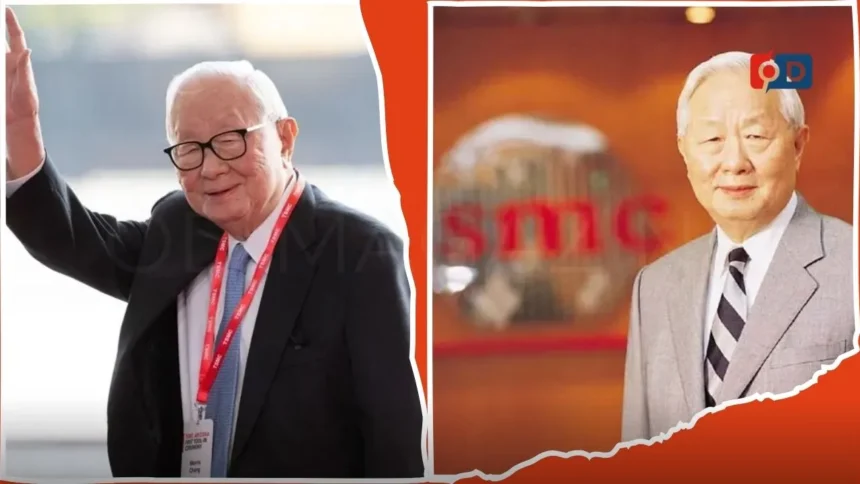
Morris Chang stands as one of the most influential figures in modern technology. At 94 years old in 2026, the founder of Taiwan Semiconductor Manufacturing Company (TSMC) built a company that powers the global AI revolution and advanced electronics. His personal fortune reflects decades of visionary leadership and the explosive growth of the semiconductor industry.
Estimates of Morris Chang net worth in 2026 vary slightly across sources. Bloomberg places it around $8.8–9 billion, while Forbes reports approximately $8.5 billion as of mid-April 2026. The wealth comes almost entirely from his roughly 0.5% stake in TSMC, held directly and through family. TSMC itself reached a market capitalization exceeding $1.7 trillion in 2026, making it one of the world’s most valuable companies. This guide explores how a war refugee who started his career in the United States transformed into a semiconductor billionaire and what his journey teaches about resilience, innovation, and long-term vision.
Quick Bio Morris Chang
| Attribute | Details |
|---|---|
| Full Name | Morris Chang (Chinese: 張忠謀, Chang Chung-mou) |
| Date of Birth | July 10, 1931 (Age 94 in 2026) |
| Place of Birth | Ningbo, Zhejiang Province, China |
| Nationality | Taiwanese-American |
| Education | B.S. & M.S. Mechanical Engineering – MIT (1952, 1953) Ph.D. Electrical Engineering – Stanford University (1964) |
| Spouse | Sophie Chang (married; MIT building named Morris and Sophie Chang Building) |
| Known For | Founder of TSMC (1987), pioneer of the pure-play semiconductor foundry model |
| Career Highlights | 25+ years at Texas Instruments; President of ITRI (Taiwan); TSMC CEO (1987–2005, returned 2009); Chairman until 2018 |
| Current Status | Retired; remains influential advisor in global semiconductor discussions |
| Primary Wealth Source | ~0.5% stake in TSMC (direct + family holdings) |
| Estimated Net Worth 2026 | $8.5B – $9B (Forbes/Bloomberg as of April 2026) |
| Philanthropy | Significant donations to education and culture; supporter of Taiwan’s tech ecosystem |
Early Life and Turbulent Beginnings
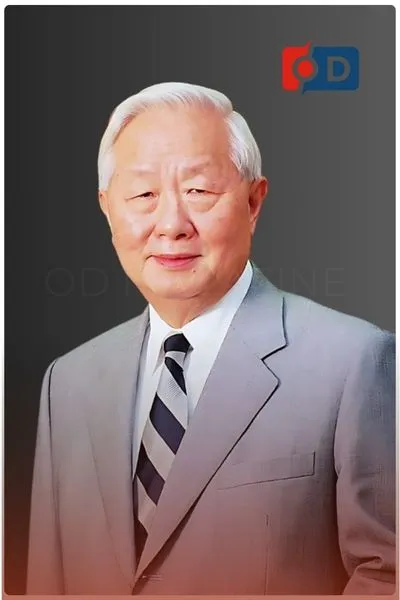
Morris Chang was born into a middle-class family in Ningbo, China, in 1931. His childhood coincided with immense upheaval the Sino-Japanese War, World War II, and the Chinese Civil War. The family fled multiple times, first to Hong Kong and later to Chongqing. These experiences instilled resilience and adaptability that later defined his career.
In 1949, at age 18, Chang moved to the United States alone to pursue higher education. He initially enrolled at Harvard but transferred to MIT, where he earned bachelor’s and master’s degrees in mechanical engineering. He faced cultural and academic challenges as an immigrant student yet excelled through determination. This period shaped his engineering mindset and exposed him to America’s post-war technological boom, planting seeds for his future contributions to the semiconductor sector.
Education and Entry into the Semiconductor Industry
After completing his master’s at MIT in 1953, Chang joined the workforce but soon realized he needed deeper expertise. Texas Instruments sponsored his Ph.D. studies at Stanford University, which he completed in electrical engineering in 1964. This combination of mechanical and electrical engineering knowledge proved invaluable in the emerging chip industry.
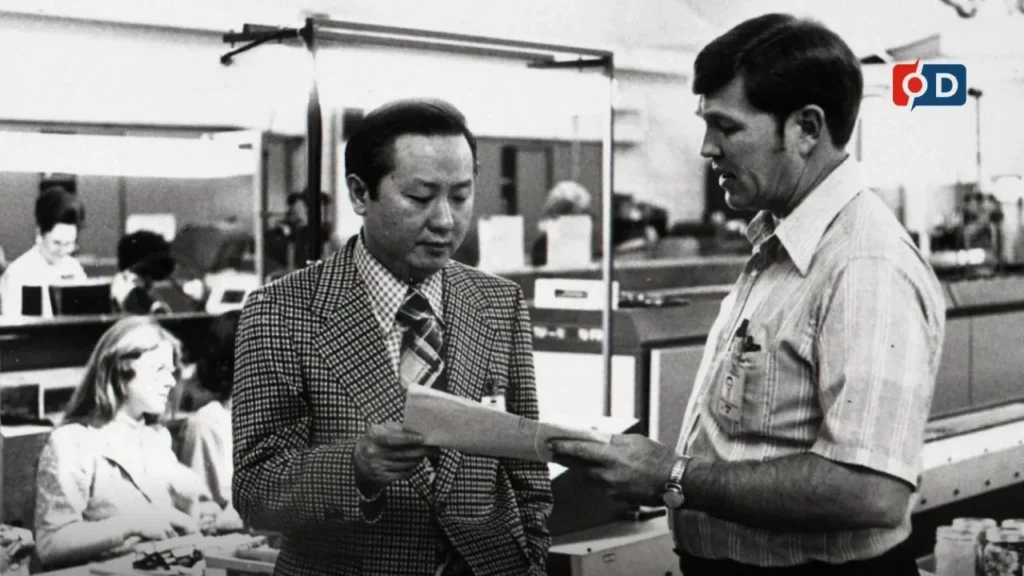
Chang spent over two decades at Texas Instruments, rising through the ranks and contributing to key semiconductor manufacturing advances. He learned high-volume production techniques and management principles that later became foundational for TSMC. By the early 1980s, he had gained international recognition but faced limited further advancement at TI. This frustration, combined with an invitation from Taiwan’s government in 1985, prompted a life-changing move back to Asia at age 54.
The Bold Decision to Found TSMC at Age 56
In 1987, Morris Chang founded TSMC at the relatively advanced age of 56. Taiwan’s government and the Industrial Technology Research Institute (ITRI) recruited him to build a world-class semiconductor industry. He pioneered the “pure-play foundry” model — a company that manufactures chips designed by others without competing in design or end products.
This revolutionary approach addressed a major industry bottleneck. Previously, chip designers had to build their own expensive fabrication plants. TSMC offered neutral, high-quality manufacturing services to anyone, fostering innovation across the ecosystem. Initial funding came from the Taiwanese government, Philips Electronics, and local partners. Skeptics doubted whether a late-career engineer could succeed against giants like Intel and Samsung, but Chang’s vision and execution proved them wrong within a decade.
How TSMC Grew into a Global Semiconductor Powerhouse
Under Chang’s leadership as CEO until 2005 (with a return in 2009), TSMC achieved remarkable growth. The company focused relentlessly on technology advancement, customer trust, and operational excellence. By the 2000s, it became the world’s largest contract chip manufacturer.
TSMC’s success accelerated with the rise of fabless semiconductor companies like Qualcomm, Nvidia, and Apple. These firms design chips but rely on TSMC for fabrication. In 2026, TSMC produces over 90% of the world’s most advanced semiconductors (below 7nm nodes) and plays a critical role in AI, smartphones, automotive, and high-performance computing. The company’s 2024 revenue exceeded $90 billion, with continued expansion through new fabs in Arizona, Germany, and Japan. This dominance directly fueled the surge in Morris Chang net worth as TSMC’s market value climbed past $1.7 trillion.
Sources of Morris Chang Net Worth in 2026
Morris Chang’s wealth derives primarily from his long-held equity in TSMC. Public filings from 2018 indicate he and his family own approximately 0.5% of the company. Although he never received founder’s shares at incorporation (TSMC started as a government-backed venture), he accumulated shares through compensation, purchases, and stock dividends over decades.
In 2026, with TSMC trading at high valuations driven by AI demand, this stake translates to billions. Bloomberg and Forbes estimates place Morris Chang net worth between $8.5 billion and $9 billion as of April 2026. Minor fluctuations occur with TSMC stock movements, but the core holding remains stable. Chang also benefits from other investments and past compensation, though TSMC equity overwhelmingly dominates his fortune. Unlike many tech founders who sell large portions early, Chang retained significant ownership, allowing his wealth to compound with the company’s success.
Leadership Style and Business Philosophy
Chang emphasized integrity, long-term thinking, and customer focus above short-term profits. He famously stated that TSMC must remain a “neutral” foundry to earn trust from all clients. His management style combined rigorous engineering discipline with humble, collaborative leadership.
He invested heavily in employee training and R&D, maintaining TSMC’s technological edge even during economic downturns. Chang also navigated geopolitical complexities with diplomacy, balancing relationships between Taiwan, the United States, China, and other partners. These principles not only built TSMC into an indispensable global player but also created lasting value that multiplied his personal wealth many times over.
Challenges, Risks, and Geopolitical Context
The semiconductor industry faces immense challenges, including massive capital requirements for new fabs, talent shortages, and supply chain vulnerabilities. TSMC invests tens of billions annually in advanced nodes while expanding geographically to mitigate risks.
Geopolitical tensions represent a major factor. Taiwan’s strategic importance in chip production creates both opportunity and risk for TSMC and its stakeholders, including Morris Chang. U.S.-China trade restrictions and export controls affect the industry, yet TSMC maintains strong relationships with American clients like Apple and Nvidia. Chang has publicly supported efforts to diversify production while warning that relocating advanced manufacturing raises costs significantly. These dynamics influence TSMC’s valuation and, by extension, Chang’s net worth.
Philanthropy, Legacy, and Personal Life
Beyond business, Morris Chang and his wife Sophie support education and culture. MIT named a building after them in recognition of their contributions. Chang remains active in mentoring and advising on technology policy even in retirement.
His story inspires many: a refugee who immigrated alone, earned advanced degrees through perseverance, and founded a company at an age when most retire. At 94, he symbolizes how vision, technical excellence, and ethical leadership create enduring impact. His legacy extends far beyond personal wealth — TSMC employs over 83,000 people and underpins trillions in global economic activity.
Lessons from Morris Chang’s Journey for Entrepreneurs
Chang’s career offers timeless lessons. First, age is not a barrier to bold action — he founded TSMC at 56. Second, focus on solving real industry pain points rather than copying competitors. Third, build trust through neutrality and consistent quality. Finally, combine technical depth with strategic patience.
Entrepreneurs today can apply these principles in AI, clean tech, or any capital-intensive field. Chang’s path shows that compounding advantages over decades often creates greater value than rapid but unstable growth. His story also highlights the importance of supportive ecosystems, as Taiwan’s government played a key enabling role.
Conclusion
Morris Chang net worth in 2026, estimated at approximately $8.5–9 billion, represents the extraordinary outcome of a remarkable life. From wartime displacement and immigrant struggles to founding the world’s most critical semiconductor company, his journey embodies resilience and innovation. TSMC’s rise to a $1.7+ trillion valuation transformed not only Chang’s personal fortune but also global technology supply chains.
As AI demand continues driving semiconductor growth, Chang’s influence endures through the company he built. His story reminds us that true billionaires often emerge from solving fundamental problems with patience and integrity. In an industry defined by rapid change, Morris Chang’s legacy of excellence provides a steady benchmark for future leaders.
Frequently Asked Questions
What is Morris Chang net worth in 2026?
As of April 2026, estimates range from $8.5 billion (Forbes) to around $8.8–9 billion (Bloomberg), primarily from his approximately 0.5% stake in TSMC.
How did Morris Chang build his wealth?
His fortune comes almost entirely from long-term equity holdings in TSMC, the company he founded in 1987. Share price appreciation tied to AI and advanced chip demand significantly increased its value.
At what age did Morris Chang found TSMC?
He founded TSMC in 1987 at age 56, after a successful career at Texas Instruments and leadership at Taiwan’s ITRI.
Does Morris Chang still own shares in TSMC?
Yes. He and his family maintain a roughly 0.5% stake, though exact current filings are limited since his retirement as chairman in 2018.
What is Morris Chang’s educational background?
He holds B.S. and M.S. degrees in mechanical engineering from MIT and a Ph.D. in electrical engineering from Stanford University.
How old is Morris Chang in 2026?
Born on July 10, 1931, he is 94 years old in 2026 and remains a respected figure in the global semiconductor industry.
Stay More Update: OD MAGAZINE