

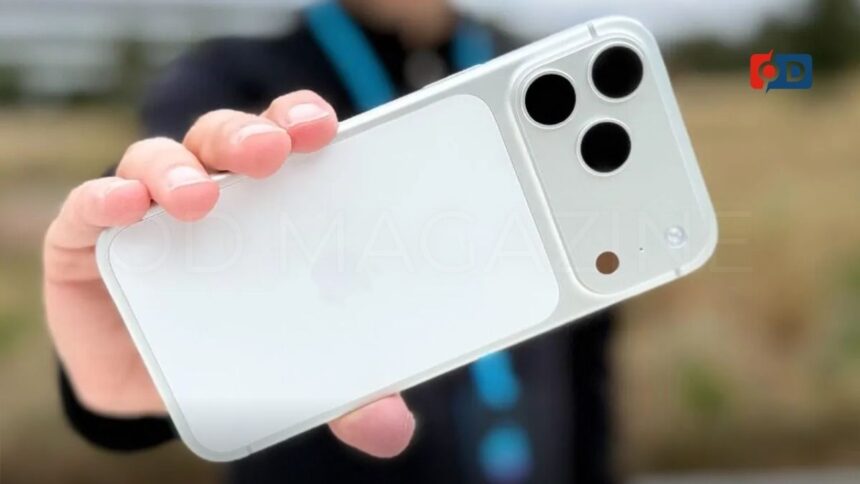
Apple prepares to launch iOS 27 with a clear emphasis on speed, stability, and a significantly smarter Siri. Unlike previous updates packed with flashy visuals, this version takes a more measured approach similar to the classic Mac OS X Snow Leopard strategy. Developers and users alike anticipate meaningful refinements that improve everyday performance.
Many iPhone owners search for details on iOS 27 because they want reliable software that runs smoothly without unnecessary changes. The update promises better battery life, fewer bugs, and enhanced Apple Intelligence capabilities. Apple plans to reveal more at WWDC 2026 in June, with the final release expected in September. This focus addresses long-standing user complaints about lag and background issues while advancing AI features responsibly.
Overview Table (iOS 27 at a Glance)
| Category | Details (as of April 2026) |
|---|---|
| Expected Announcement | WWDC 2026 Keynote – June 8, 2026 |
| Developer Beta | Expected June 8–12, 2026 |
| Public Beta | July 2026 |
| Final Public Release | September 2026 (likely around September 14–16 with new iPhones) |
| Codename / Style | Snow Leopard-like: Heavy focus on bug fixes, performance, stability, and code cleanup rather than flashy new visuals |
| Core Focus Areas | Speed, battery life, system stability, refined Apple Intelligence, and a major Siri overhaul |
| Key Rumored Features | Revamped Siri (chatbot-style with Google Gemini foundation, multi-step tasks, personal context awareness); Dedicated Siri app with extensions; Visual Intelligence upgrades (nutrition label scanning for Health app, business card/contact scanning); System-wide Liquid Glass opacity slider; Improved keyboard autocorrection |
| Apple Intelligence | New features require iPhone 15 Pro or newer for full capabilities; Limited or no advanced AI on older supported devices |
| Compatibility | Expected to support iPhone 12 series and newer (iPhone 12, 13, 14, 15, 16, 17 series + future models). Dropping support for iPhone 11 series and older iPhone SE (2nd gen) |
| Privacy & Security | Continued emphasis on on-device processing where possible; New extensions for third-party AI chatbots (with user control) |
| Target Users | Users seeking smoother daily experience, better battery, and smarter AI assistant rather than dramatic UI changes |
| Potential Challenges | Older supported devices may see fewer AI features; Transition for users on dropped models |
Expected Release Timeline for iOS 27
Apple typically unveils the next major iOS version during its Worldwide Developers Conference. For iOS 27, the keynote occurs on June 8, 2026, followed by the first developer beta shortly after. Public beta testing usually begins in July.
The stable version rolls out to all compatible devices in September 2026, coinciding with new iPhone launches. This predictable schedule gives developers time to update apps and allows Apple to fix issues before widespread release. Users can expect gradual rollout with security patches continuing afterward. The timeline ensures a polished experience for millions of iPhones worldwide.
Apple’s Snow Leopard Approach to Speed and Stability
Apple reportedly adopts a Snow Leopard-style philosophy for iOS 27 by prioritizing code cleanup and bug fixes over dramatic new features. Engineers comb through the operating system to remove bloat and optimize performance across the board. This approach echoes the 2009 macOS update that delivered noticeable speed gains with minimal visible changes.
The strategy benefits users who experienced slowdowns or crashes in recent versions. Apple aims to create a smoother foundation that supports future hardware innovations like foldable iPhones. By focusing on quality, the company reduces frustration and builds long-term trust. This direction shows Apple listening to feedback about reliability rather than chasing headlines with constant redesigns.
Major Performance and Battery Improvements
iOS 27 promises meaningful gains in overall speed and responsiveness. Developers optimize background processes to reduce CPU and memory usage during daily tasks like scrolling, multitasking, and app switching. Battery life should improve as a result of these refinements.
Users on older supported devices particularly welcome these changes. Smoother animations and faster app launches make the experience feel fresher without requiring new hardware. Apple also refines power management algorithms to extend usage time during heavy activities. These under-the-hood enhancements demonstrate how stability updates deliver real-world value that many users notice immediately.
Smarter Siri and Apple Intelligence Upgrades
The biggest headline involves a major overhaul of Siri, transforming it into a more conversational AI agent. Reports indicate Apple integrates Google’s Gemini foundation to power advanced capabilities such as multi-step task handling and better personal context awareness. Siri gains the ability to maintain natural back-and-forth conversations.
New features include deeper integration with on-device data while preserving privacy. Users can expect improved accuracy when asking complex questions or requesting actions across apps. This evolution addresses years of criticism about Siri’s limitations compared to competitors. The smarter assistant becomes more helpful for productivity and everyday needs. Read More Latest Technology Update Click Here
Third-Party AI Integration with Siri Extensions
iOS 27 introduces extensions that allow users to integrate third-party AI chatbots directly with Siri. This flexible system lets people choose preferred models while keeping Siri as the central interface. Apple maintains control through an approval process for safety and quality.
The feature gives users more choice without forcing a single AI provider. People can switch between different assistants depending on the task. This approach balances innovation with user control and privacy. It represents a significant shift in how Apple handles artificial intelligence within its ecosystem.
New Visual Intelligence Features for Health and Contacts
Visual Intelligence receives practical upgrades in iOS 27. Users can point their camera at nutrition labels to automatically log calories and macronutrients into the Health app. Another tool scans business cards or printed contact information and adds details directly to the Contacts app.
These capabilities make everyday tasks faster and more accurate. Health-conscious users benefit from seamless tracking without manual entry. The features demonstrate how Apple Intelligence focuses on useful, real-life applications rather than gimmicks. They enhance the camera’s utility beyond photography.
Liquid Glass Customization and Interface Enhancements
A new system-wide slider lets users fine-tune the opacity of the Liquid Glass interface element introduced in previous updates. This customization option gives more control over the visual appearance of notifications and widgets. The change addresses user requests for personalization.
Small refinements like improved keyboard autocorrection also appear. These quality-of-life tweaks reduce frustration during typing and interaction. Apple pays attention to details that affect daily comfort. Together, they contribute to an overall feeling of polish and responsiveness.
Compatibility List and Dropped iPhone Models
iOS 27 is expected to support the iPhone 12 series and all newer models, including the latest iPhone 17 and upcoming iPhone 18 series. This means dropping support for the iPhone 11 lineup and older iPhone SE models. Users on dropped devices stay on iOS 26 with continued security updates for some time.
The decision reflects the growing demands of modern AI features and performance optimizations. Apple balances ecosystem longevity with technical requirements. Owners of supported devices enjoy the full benefits, while others must weigh upgrade options. Compatibility always sparks discussion among long-time users.
Impact on Older iPhones and User Choices
Devices that still receive iOS 27 but lack the A17 Pro chip or newer get limited Apple Intelligence features. Full advanced AI capabilities require an iPhone 15 Pro or later model. This tiered approach creates clear differences in user experience.
Older supported phones still gain from performance and stability improvements. Users must decide whether basic updates suffice or if upgrading delivers worthwhile AI enhancements. The situation highlights the trade-off between software support duration and cutting-edge features. Apple provides transparency to help informed decisions.
How iOS 27 Prepares Devices for Future AI Demands
By cleaning up code and optimizing performance, iOS 27 lays a stronger foundation for upcoming AI-heavy features and hardware like foldable iPhones. The refinements reduce technical debt that could slow future innovations. This groundwork ensures smoother integration of more powerful models in later updates.
Users benefit from a more future-proof device even if they skip immediate hardware upgrades. The strategy shows Apple thinking several years ahead. Stability today supports ambitious AI plans tomorrow. This long-term vision strengthens the entire iOS ecosystem.
Practical Benefits for Everyday Users
Most people notice smoother scrolling, faster app launches, and longer battery life after installing iOS 27. Reduced crashes and background glitches make the iPhone feel more reliable during work, entertainment, and communication. These improvements matter more than flashy visuals for daily satisfaction.
The smarter Siri handles routine tasks with less frustration. Visual Intelligence tools simplify logging meals or saving contacts. Users gain tangible time savings and convenience. The update delivers value without requiring users to learn entirely new interfaces.
Privacy and Security Enhancements in iOS 27
Apple continues prioritizing on-device processing for sensitive AI tasks where possible. New extensions include user-controlled toggles for third-party AI services. Security teams strengthen protections against emerging threats.
These measures maintain user trust while expanding capabilities. Privacy remains a core differentiator for Apple. The update balances innovation with responsible data handling. Users feel more confident using advanced features without compromising personal information.
Potential Challenges and Edge Cases
Some users on borderline supported devices may experience mixed results with new AI tools. Battery gains vary depending on usage patterns and hardware age. Early betas could contain unforeseen bugs typical of major updates.
Dropped device owners face the reality of eventual security update limits. The tiered Apple Intelligence access creates expectations management challenges. Apple must communicate clearly to avoid disappointment. These edge cases highlight the complexities of supporting a diverse installed base.
Comparison with Previous iOS Updates
Unlike iOS 26’s introduction of Liquid Glass and visual changes, iOS 27 leans toward refinement and under-the-hood work. Previous years emphasized new design languages or headline AI announcements. This version feels more like a quality-focused maintenance release with targeted intelligence improvements.
The contrast appeals to users tired of constant interface shifts. It echoes successful past strategies that prioritized reliability. The approach may influence how Apple plans future updates. Many welcome the return to stability as a refreshing change.
Conclusion
iOS 27 represents Apple’s deliberate shift toward speed, stability, and a genuinely smarter Siri while advancing Apple Intelligence thoughtfully. The Snow Leopard-inspired focus on bug fixes and performance sets a solid foundation for future innovations without overwhelming users with changes. Expected features like enhanced Visual Intelligence, Liquid Glass customization, and third-party AI extensions add practical value.
The update arrives at WWDC 2026 with betas in summer and final release in September. Compatibility starts from the iPhone 12 series onward, with full AI features limited to newer Pro models. Users gain a smoother, more reliable iPhone experience that respects privacy and delivers real daily benefits. iOS 27 proves that sometimes the best improvements come from perfecting what already exists rather than constant reinvention.
Frequently Asked Questions
When will Apple announce iOS 27?
Apple will announce iOS 27 at WWDC 2026 on June 8, 2026.
When is the iOS 27 release date?
The final version is expected in September 2026.
Which iPhones will support iOS 27?
iOS 27 supports the iPhone 12 series and all newer models. It drops the iPhone 11 series and older SE models.
Will iOS 27 focus only on bug fixes?
It emphasizes speed and stability like Snow Leopard but still includes new Siri upgrades and Apple Intelligence features.
Does iOS 27 require new hardware for AI?
Full advanced Apple Intelligence features need an iPhone 15 Pro or newer.
What is the biggest change in iOS 27?
The major Siri overhaul turns it into a more conversational chatbot powered by advanced AI.
Stay Update More OD MAGAZINE